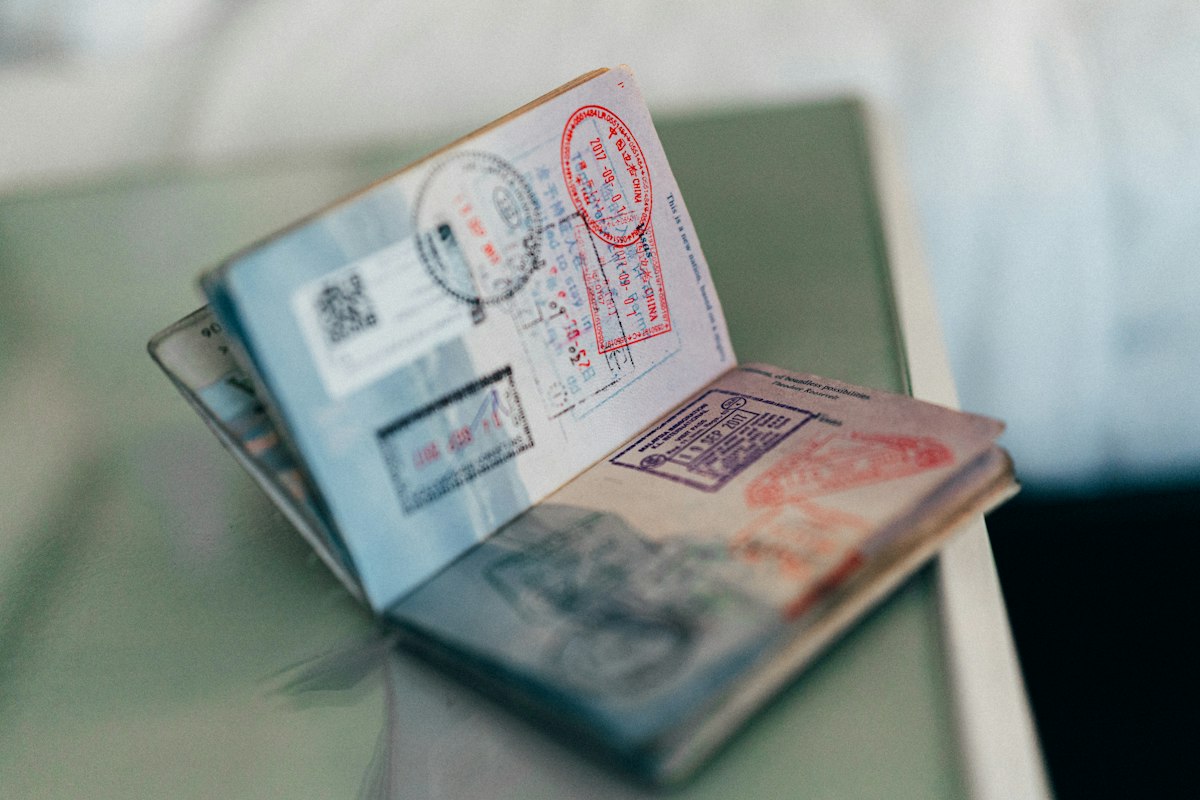
A container can cross an ocean in three weeks and then sit at the port for five extra days over a single missing document. Customs clearance isn’t complicated in principle, but it’s unforgiving of small mistakes — and most delays trace back to the same handful of preventable issues.
The documents customs actually checks
- Commercial invoice — the seller’s bill for the goods, used to assess duties and taxes. It needs to match the shipment exactly: quantities, values and descriptions.
- Packing list — a detailed breakdown of what’s in each carton or pallet, including weights and dimensions.
- Bill of lading (or air waybill) — the contract of carriage and, for ocean freight, often the document of title to the goods.
- Certificate of origin — confirms where the goods were manufactured, which affects duty rates and eligibility for trade agreements.
- Import/export licenses or permits — required for regulated goods: food, chemicals, electronics with radio components, and more.
Getting the HS code right
Every product crossing a border gets classified under the Harmonized System — a six-to-ten digit code that determines the duty rate, whether the item needs a special permit, and whether it qualifies for a trade agreement’s reduced tariff. Misclassifying a product, even by accident, can trigger a full inspection, a reassessment of duties, or a penalty. If you’re unsure of the correct code, it’s worth confirming with your freight forwarder or a customs broker before the shipment departs — not after it arrives.
Duties, taxes and who pays them
Whether the shipper or the receiver pays import duties and taxes depends entirely on the Incoterm in the sales contract (see our Incoterms guide for the full breakdown). Under DDP, the seller pays; under most other terms, the buyer is responsible and should be prepared for the bill on arrival — surprise duty invoices are one of the most common sources of disputes between trading partners.
Common causes of delay — and how to avoid them
- Mismatched paperwork — the invoice says one quantity, the packing list says another. Reconcile documents before the shipment leaves origin.
- Vague product descriptions — “parts” or “goods” invites scrutiny. Be specific.
- Undervaluing shipments — a common but risky shortcut that can trigger audits and penalties well beyond the duty saved.
- Missing permits for regulated goods — check requirements before booking, not after the container is loaded.
How Sealead helps
Our team prepares and checks documentation before a shipment departs, coordinates with customs brokers at destination, and flags anything that looks likely to trigger a hold — so “waiting on customs” isn’t the reason your delivery is late.